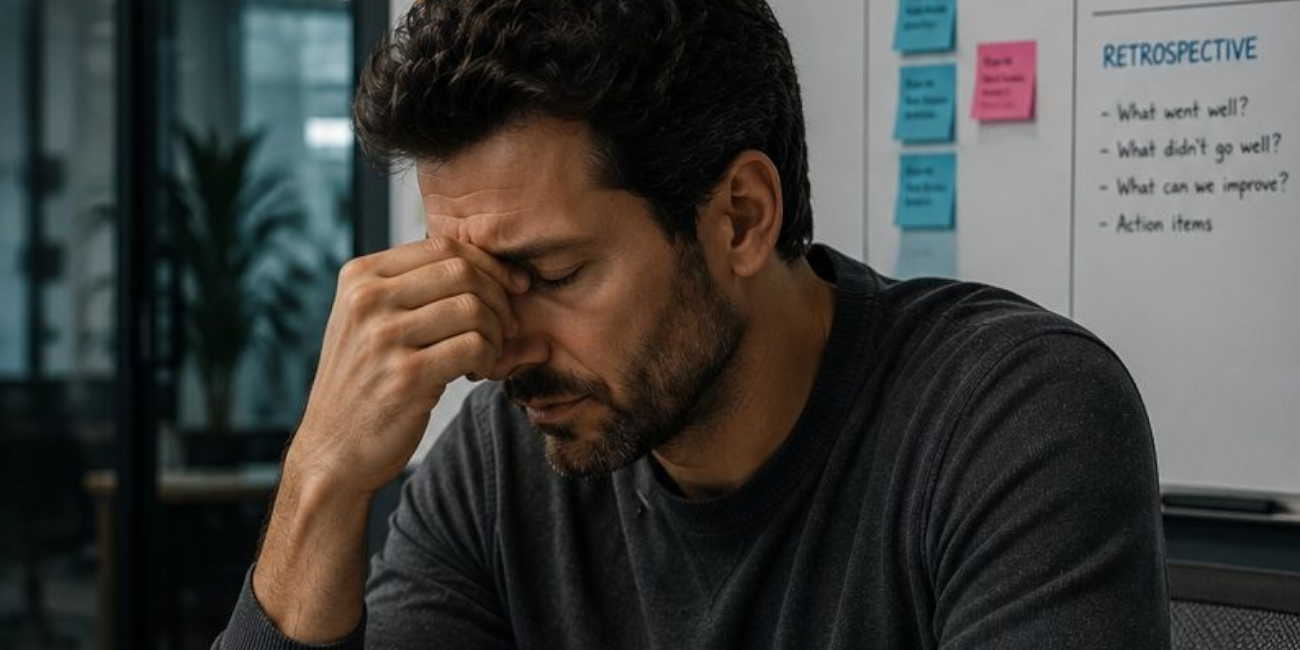
Life transitions are about more than change.
Periods of change often invite self-reflection.
Growth is about becoming more fully yourself.
What Are Life Transitions?
Let’s begin by talking about what life transitions actually are. Many people think of life transitions as major events such as changing careers, retiring, ending a relationship, becoming a parent, or moving to a new city. While these events often mark the beginning of change, the real transition usually happens beneath the surface as we adapt to new roles, shifting identities, changing relationships, and an uncertain future.
Life transitions often invite us to reconsider who we are, what matters most, and how we want to live moving forward. They can bring opportunities for growth and renewal, but they may also be accompanied by grief, uncertainty, self-doubt, anxiety, or the feeling that the life which once fit no longer does.
Many people assume they simply need to “push through” or make a decision. Instead, they find themselves questioning their purpose, struggling with unexpected emotions, or feeling caught between the life they’ve known and the life they’re beginning to imagine.
Life transitions may include experiences such as:
Shift from…
“What should I do?”
To…
“What matters most to me now?”
Rather than rushing to make the “right” decision, therapy invites you to slow down and better understand yourself. Life transitions often bring opportunities to clarify your values, recognize your strengths, and reconnect with what feels most meaningful. Together, we’ll explore where you’ve been, where you are now, and what kind of life you want to create moving forward.


Moving from Reacting to Choosing
Life transitions create opportunities to move from automatic patterns toward intentional living.
Many people reach major life transitions having spent years responding to responsibilities, expectations, or circumstances without stopping to ask whether the life they’ve created still reflects who they are. Careers evolve, relationships change, children grow up, health shifts, priorities change, and the assumptions that once guided us may no longer fit the person we’ve become.
Periods of transition naturally invite reflection. They create opportunities to reconsider long-standing patterns, clarify what truly matters, and make more intentional choices about the next chapter of life. Rather than simply adapting to change, therapy helps you understand how your experiences have shaped your decisions while creating space for new possibilities that better reflect your current values, strengths, and aspirations.
Personal growth is not about becoming someone different. It is about reconnecting with yourself more fully. Together, we’ll explore what continues to serve you, what may no longer fit, and how to build a life that feels more authentic, meaningful, and aligned with who you are today.


Career & Professional Transitions
- Career change or starting a new profession
- Burnout or workplace stress
- Leadership and career development
- Job loss or career uncertainty
- Returning to work after time away
- Retirement planning and transition
- Finding greater meaning and satisfaction in your work

Life Stage Transitions
- Young adulthood and increasing independence
- Building relationships and starting a family
- Midlife reflection and changing priorities
- Empty nest and changing family roles
- Retirement and later life
- Changes in health or caregiving responsibilities
- Exploring identity, purpose, and what comes next

Personal Change & Growth
- Relationship changes or separation
- Relocation or major lifestyle changes
- Grief and significant life losses
- Re-evaluating priorities and values
- Feeling stuck or uncertain about the future
- Personal growth and self-discovery
- Creating a life that feels more authentic and fulfilling

Relationship Transitions
- Beginning or ending a relationship
- Separation or divorce
- Marriage or commitment
- Becoming a parent
- Empty nest
- Family conflict
- Caregiving responsibilities
- Rebuilding after relationship loss
When Life Changes, We Change Too
Major life transitions often influence many areas of life at the same time. While every person’s experience is unique, periods of significant change frequently affect our emotions, relationships, confidence, identity, daily routines, and sense of purpose. Even positive transitions can create uncertainty as we adapt to new roles, changing priorities, and unfamiliar possibilities.
Some transitions are anticipated, such as graduating, changing careers, becoming a parent, or retiring. Others arrive unexpectedly through illness, relationship changes, job loss, or other life events beyond our control. Regardless of how they begin, major transitions often encourage us to pause and reconsider who we are, what matters most, and how we want to move forward.
Although change can feel overwhelming, it also creates opportunities for growth, self-discovery, and renewal. Therapy provides a supportive, collaborative space to better understand your experience, navigate uncertainty with greater confidence, and make intentional choices that reflect your values, strengths, and the person you are becoming. Together, we can work toward creating a life that feels meaningful, authentic, and aligned with what matters most to you.


Understanding Life Transitions
Life transitions are about more than adapting to changing circumstances. They often influence how you see yourself, relate to others, make decisions, and imagine your future. Whether you’re changing careers, retiring, navigating a relationship change, experiencing health concerns, or simply feeling that your life no longer fits, periods of transition can challenge long-held assumptions about who you are and where you’re going.
Many of these changes unfold gradually. What begins as a practical decision often becomes a deeper process of re-evaluating your identity, priorities, relationships, and sense of purpose. It’s common to feel uncertain, conflicted, or caught between the life you’ve known and the life you’re beginning to create. Rather than viewing these experiences as signs that something is wrong, they can be understood as natural responses to significant change.
Understanding life transitions isn’t about finding immediate answers or making perfect decisions. It’s about creating space to better understand yourself, clarify what matters most, and move forward with greater intention. Through thoughtful reflection, practical strategies, and a collaborative therapeutic relationship, it becomes possible to navigate change with greater confidence, resilience, and authenticity while creating a life that reflects who you are today.
Life Transitions Change Us
Understanding how periods of change influence our identity, relationships, purpose, and the way we experience ourselves.
Major life transitions often affect much more than the circumstances themselves. Whether you’re changing careers, retiring, navigating a relationship change, experiencing changes in your health, becoming a parent, or simply feeling that your life no longer fits, periods of transition can influence your identity, confidence, relationships, priorities, and sense of purpose. Even positive changes can bring uncertainty as we adjust to new roles, evolving responsibilities, and unfamiliar possibilities.
Every person’s journey through change is unique. While some transitions unfold gradually, others arrive unexpectedly and challenge long-held assumptions about who we are and where we’re going. During these times, it’s common to question what matters most, feel caught between the life you’ve known and the life you’re beginning to imagine, or wonder how to move forward with greater clarity and confidence.
Therapy provides an opportunity to better understand these experiences rather than simply push through them. Together, we’ll explore how change is affecting your life, identify the strengths and values that can guide your next chapter, and develop practical strategies that help you navigate uncertainty while creating a life that feels authentic, meaningful, and aligned with who you are today.
Identity & Self-Understanding
Navigating Uncertainty


Growth & Moving Forward
Relationships & Life Roles
Emotional Well-Being
Creating Your Next Chapter
Life transitions often invite us to re-evaluate how we live, what we value, and where we want to go next. As careers evolve, relationships change, priorities shift, or new opportunities emerge, it’s natural to question long-held assumptions about yourself and the direction your life is taking. While periods of change can feel uncertain, they also create opportunities for growth, self-discovery, and renewal.
Therapy provides a supportive, collaborative space to understand these transitions with curiosity and compassion rather than pressure or self-judgment. Together, we’ll explore how change is influencing your identity, relationships, emotional well-being, and sense of purpose while developing practical strategies that help you adapt with greater confidence, resilience, and clarity.
My goal is not simply to help you navigate a specific life transition. It is to help you better understand yourself, reconnect with your strengths and values, make thoughtful decisions, strengthen meaningful relationships, and create a life that feels authentic, balanced, and aligned with the person you are becoming.


How Therapy Can Help
Life transitions can influence your identity, relationships, confidence, emotional well-being, and sense of purpose in ways that aren’t always immediately obvious. Whether you’re facing a career change, retirement, relationship changes, health concerns, or simply feeling that your life is evolving, therapy provides a supportive and collaborative space to better understand your experiences while developing practical strategies that help you move forward with greater clarity, resilience, and confidence.
Together, we’ll explore how your experiences, relationships, values, strengths, and personal history continue to influence the choices you make today. My integrative approach combines emotional insight with practical strategies to help you better understand yourself, navigate change with greater confidence, strengthen important relationships, and intentionally create a life that reflects who you are today.
Therapy can help you: